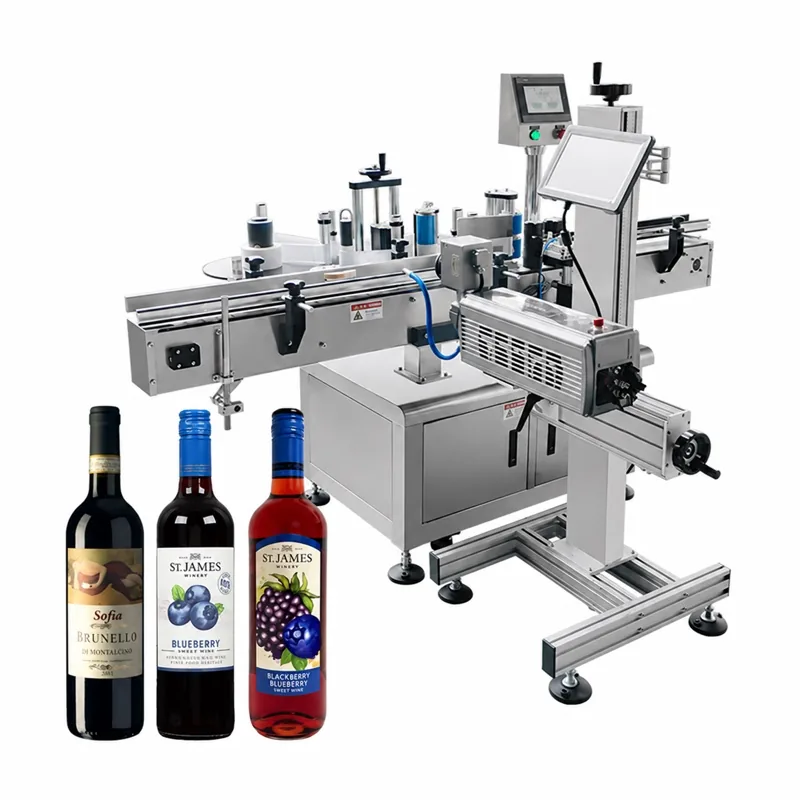
LINEVO’s dedicated industrial labeling equipment division
industriallabelingmachine.com is the dedicated industrial labeling equipment and application engineering division of LINEVO Packaging Machinery, focused on primary container labeling, secondary carton and case labeling, shrink sleeve application, and end-of-line print-and-apply systems. Choosing a labeler without matching container geometry, label liner release, and conveyor speed risk causes chronic wrinkling, skew, and costly line rework—so this platform isolates the mechanical, sensor, and web-handling decisions specific to automatic labeling machines and label applicators.
While LINEVO’s broader machinery catalog spans nine packaging equipment families—including vertical form-fill-seal (VFFS), stick pack, sachet, premade pouch, horizontal flow wrapping, liquid filling, cartoning, and cellophane overwrapping—every guide, comparison matrix, and specification checklist on this site is built to turn your container drawings and throughput targets into a verifiable User Requirement Specification (URS) before equipment enters fabrication.
Equipment coverage across the LINEVO labeling lineup
LINEVO’s labeling catalog encompasses 21 application-specific configurations across four primary machine architectures. Every project configuration is engineered around the buyer’s physical container geometry, adhesive tack, label web length, and target line speed during technical quotation and Factory Acceptance Testing.
| Machine Family | Core Container & Pack Formats Covered | Typical Line Integration Scope | Primary Technical Hub |
|---|---|---|---|
| Wrap-Around & Pressure-Sensitive | Round wine and beverage bottles, sauce jars, honey jars, pet food tins, CBD dropper bottles, flat lotion and square edible-oil bottles | Standalone conveyorized labeler, semi-automatic tabletop station, or inline station after liquid filling and screw/crimp capping | Wrap-Around & Pressure-Sensitive Labelers |
| Small-Diameter Vial & Ampoule | Pharmaceutical glass ampoules, injection vials, oral liquid bottles, and slim cylindrical tubes | High-indexing starwheel or horizontal roller feed with optical/ultrasonic gap sensing and lot coding | Vial & Pharma Labeling Machines & Bottle Labeling Machines |
| Shrink Sleeve & Tamper Band | Full-body contoured beverage bottles, dairy cups, and tamper-evident jar/bottle neck bands | Sleeve mandrel applicator paired with steam or electric radiant heat shrink tunnel | Shrink Sleeve Labeling Machines |
| Flat Carton, Box & End-of-Line | Flat folding cartons, food boxes, corrugated shipping cases, and stretch-wrapped pallets | Top-belt feeder, conveyor side/corner wipe-on, or print-and-apply tamp/swing-arm station | Print-and-Apply Labeling Systems |
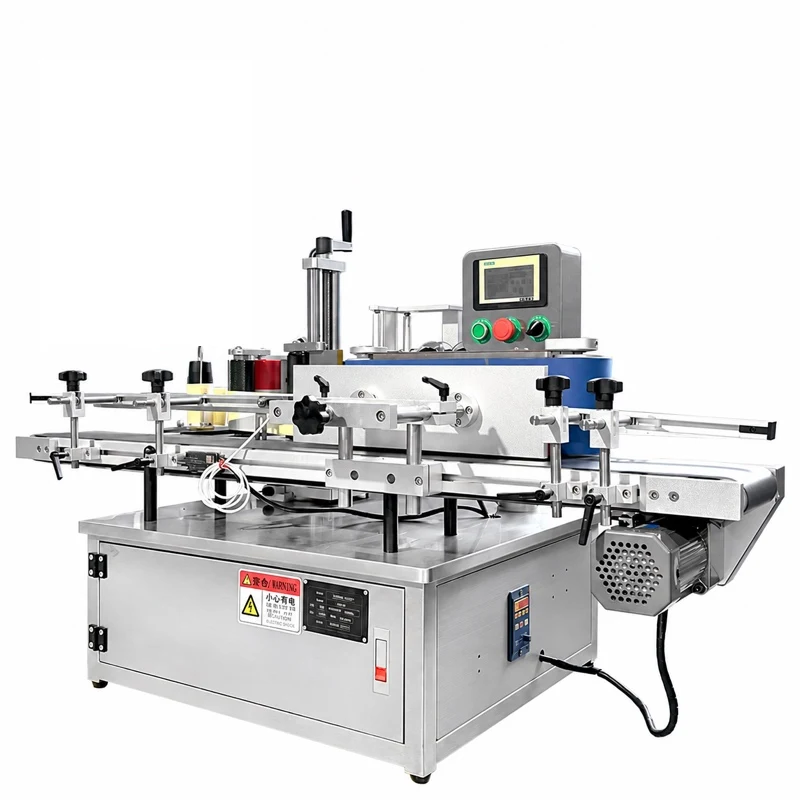
How we verify specifications from inquiry to shipment
Because label placement accuracy and sustained throughput depend on the exact pairing of container surface energy, wall rigidity, label face stock, and conveyor pitch, every LINEVO labeling project follows a five-stage engineering verification workflow:
- Container, Label & Line Intake: You submit container dimensions (or CAD drawings), label dimensions, roll unwind direction (
#1–#8), target and surge speeds (containers or cases per minute), and placement tolerance requirements via our RFQ checklist and send them directly to our engineers on WhatsApp. - Architecture & Changeover Scoping: Our application engineers determine whether your SKU list fits a single inline belt/3-roller frame, a dual-head front-and-back system, a shrink sleeve mandrel + tunnel, or a modular print-and-apply engine integrated onto your existing conveyor.
- Physical Sample Trial: Before finalizing high-speed or contoured applications, buyers ship representative empty or filled containers alongside actual production label rolls. Sample trials expose sidewall taper wrinkling, flexible-bottle squeeze deflection, and clear-film sensor calibration issues early.
- Itemized Technical Proposal: The written quotation sets out the exact machine configuration, format change parts per SKU, conveyor length and elevation, electrical/pneumatic/steam utility draw, commercial terms, and acceptance criteria.
- Factory Acceptance Test (FAT): Prior to export crating, the completed machine or integrated filling-capping-labeling line runs your actual containers and label rolls on the shop floor. We record sustained speed, registration tolerance (
±mm), barcode scan grade, and changeover repeatability on video and in the signed FAT report.
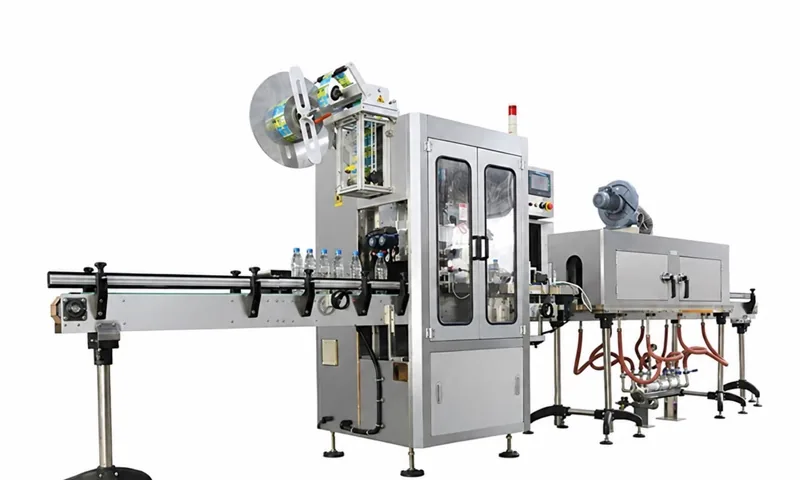
Direct engineering communication
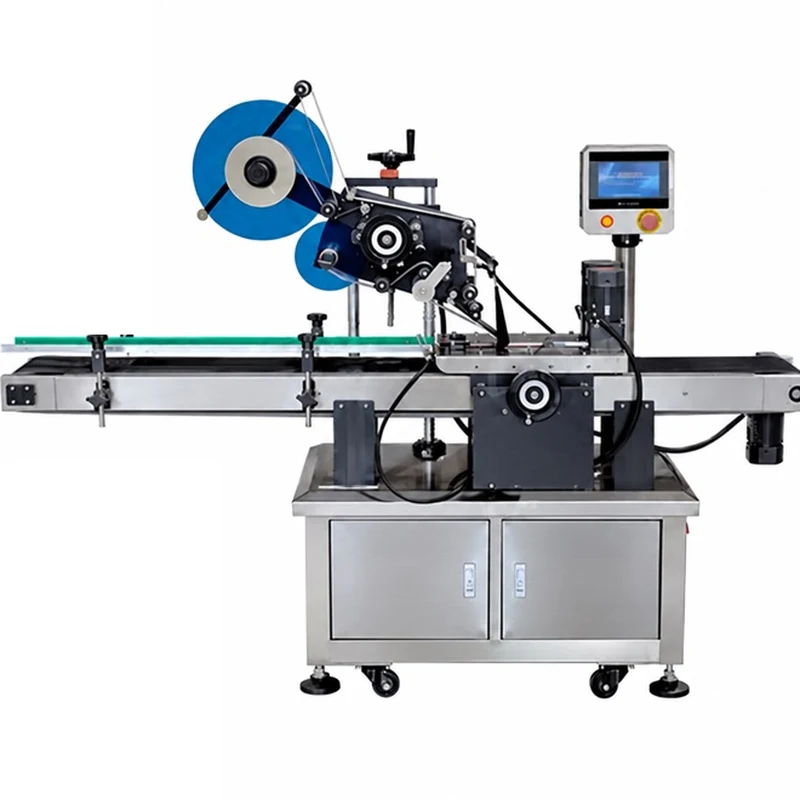
Whether you are replacing a manual benchtop station, specifying a custom labeling line integration with upstream filling and capping, or auditing a labeling machine manufacturer, you work directly with LINEVO’s export engineering desk:
- WhatsApp Engineering Desk:
+86 15338888949 - Project Intake: Start with the how to choose an industrial labeling machine guide, review the industrial labeling machine cost breakdown, read our engineering verification standards, or prepare your container and label parameters with the labeling machine RFQ checklist and message us on WhatsApp.
Related Equipment & Guides
Automatic Labeling Machines: How to Choose by Container, Label and Speed
Choose an automatic labeling machine by container shape, label type and speed. Compare labeler types, accuracy tiers and the checks to run on your samples.
Learn moreLabel Applicators & Print-and-Apply Systems: Actuation, Speed & Retrofit Guide
Compare pre-printed label applicators and print-and-apply systems across wipe-on, tamp-blow, air-blow, and corner-wrap actuation, web speed, and retrofits.
Learn moreWrap-Around and Pressure-Sensitive Labeling Machines: Web Kinematics & Line Selection
Engineering guide to wrap-around and pressure-sensitive labeling machines: web tension, peel plate geometry, wrap belt vs 3-roller kinematics, and line selection.
Learn moreShrink Sleeve Labeling Machines: How to Match Applicator, Film and Shrink Tunnel
Specify a shrink sleeve labeling machine by sleeve format, layflat width, film shrink ratio and steam or electric tunnel. Compare speeds and sample test steps.
Learn morePrint and Apply Labeling Systems: Thermal Engines, DPI, and PLC Integration
Select print and apply labeling machines across Zebra, Sato, and Datamax engines, 203 to 600 DPI printheads, EtherNet/IP handshakes, and ISO/IEC 15416 grading.
Learn moreBottle Labeling Machines: How to Choose by Container Material, Shape, and Line Speed
Select a bottle labeling machine by container material (glass, PET, HDPE), shape (round, flat, oval, square, tapered), surface condensation, and line speed.
Learn moreVial & Pharmaceutical Labeling Machines: Vertical vs. Horizontal Selection
Select a vial labeling machine or pharmaceutical labeler for 8-30 mm vials, ampoules, syringes, and dropper bottles with cGMP 21 CFR 211.130 controls.
Learn moreSemi-Automatic & Tabletop Labelers: Benchtop Selection & ROI Crossover
Compare semi automatic labeling machines and tabletop bottle labelers (10-40 BPM) against automatic inline payback, cradle vs. tamp fixtures, and TCO math.
Learn moreLabel Automation and Custom Packaging Line Labeling Integration
Engineering guide to label automation and inline labeling system integration across fillers, cappers, accumulation tables, PLC sync, and vision reject gates.
Learn moreHow to Qualify an Industrial Labeling Machine Manufacturer
How to evaluate an industrial labeling machine manufacturer: OEM vs integrator comparison, mechanical build audit, servo vs stepper drives, and FAT checklist.
Learn moreLabeling Machine RFQ Checklist and User Requirement Specification (URS)
Engineering labeling machine RFQ checklist and User Requirement Specification (URS) template covering container drawings, roll unwind #1-#8, CPM, and FAT rules.
Learn moreEditorial Policy and Engineering Verification Standards
How IndustrialLabelingMachine.com compiles engineering guides, attributes standards and OEM benchmarks, and verifies labeling specifications during FAT.
Learn more